Why Most Students Study the Wrong Things (And How to Fix It)
You're putting in the hours, but your grades aren't moving. The problem probably isn't how hard you're studying — it's what you're studying and when.

Diana Falls
Private Teacher
Management

Picture this: you spend an entire weekend buried in your notes, re-reading every lecture slide, highlighter in hand. Exam day arrives and your mind goes blank. Sound familiar? You're not alone — and you're not lazy. The uncomfortable truth is that most students are working hard but studying the wrong things in the wrong order, leaving huge gaps right where the exam questions land. Understanding why this happens is the first step to turning things around.
The Illusion of Knowing: Why Re-reading Feels Productive But Isn't
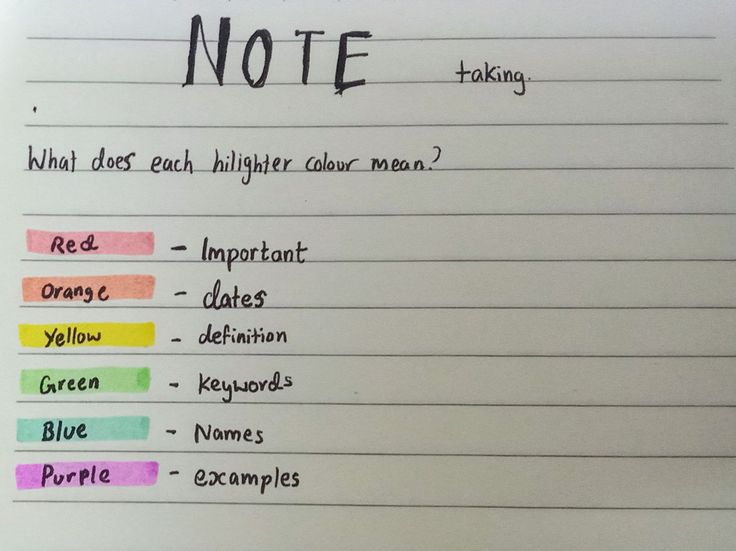
Re-reading notes and highlighting textbooks are the go-to study moves for most university students. They feel productive because the material starts to look familiar — and that familiarity gets mistaken for actual learning. Psychologists call this the "fluency illusion." When something feels easy to read, your brain signals that you already know it, even when you'd completely blank on it in an exam setting.
The research here is pretty damning. A landmark study by Roediger and Karpicke found that students who re-read material scored significantly lower on tests than students who were tested on it — even though the re-readers spent more time studying. Recognition and recall are completely different skills. You can recognise every word on a page and still be unable to retrieve the concept under exam pressure. Passive review tricks you into thinking you're ready when you're not.
Studying Everything Equally Is a Recipe for Disaster
Even students who ditch the highlighter and attempt more active study often fall into a second trap: treating all their material as equally important. They work through topics in the order they appear in their notes, spending equal time on concepts they already know well and concepts they barely understand. This feels organised and fair, but it's a terrible use of limited study time.
Your brain doesn't forget everything at the same rate. Some ideas are easy and stick quickly; others are slippery and need far more repetition to lodge themselves in long-term memory. If you're spending 40 minutes reviewing something you already know solidly and only 10 minutes on the thing that keeps tripping you up, you're essentially training yourself to be brilliant at what you don't need help with. The result is a patchy knowledge base with confident islands surrounded by dangerous gaps — exactly the spots examiners love to probe.
The Timing Problem: Cramming Creates an Illusion of Preparation
The third major mistake is cramming — loading all your study into the days immediately before an exam. The short-term memory gains from cramming are real, which is why students keep doing it. You can absolutely walk into an exam 48 hours after an all-nighter and recall enough to scrape through. But cramming produces almost no long-term retention, and in subjects that build on themselves — like maths, medicine, law, or languages — that's a serious problem. You pass the module and immediately forget everything you need for the next one.
The science-backed alternative is spaced repetition: spreading your study across time and returning to material at carefully calculated intervals, just before you're about to forget it. This is where studying gets genuinely efficient. Instead of reviewing everything every day, you focus on the concepts that are at highest risk of slipping away. Over time, well-learned material gets reviewed less frequently, and shaky material gets more attention. You cover more ground, retain more, and arrive at exams genuinely prepared rather than desperately hoping your cramming holds.
How Noras Helps You Study the Right Things at the Right Time
This is exactly the problem Noras was built to solve. Rather than leaving you to guess what to study each day, Noras acts as an AI study companion that analyses what you know, identifies where your gaps are, and tells you precisely what to review — combining spaced repetition with active recall so that every study session counts. No more aimlessly re-reading. No more wasted hours on concepts you already own. Just a clear, personalised daily plan that keeps the right material in front of you at the right moment.
For students juggling multiple subjects, deadlines, and the general chaos of university life, this kind of structure is genuinely game-changing. Instead of waking up and staring at your notes wondering where to even start, you open Noras and get a focused plan built around how your memory actually works. It removes the decision fatigue and replaces it with momentum — and momentum, more than anything, is what separates students who improve from students who stay stuck.
Key Takeaways
Re-reading and highlighting create a fluency illusion — material feels familiar, but you're not actually able to retrieve it under exam conditions.
Studying all topics equally wastes time; your study sessions should prioritise the material you're most at risk of forgetting.
Cramming produces short-term recall but almost no lasting retention — spaced repetition is far more effective for real exam performance.
Active recall (testing yourself, not just reading) is one of the most powerful study techniques supported by cognitive science, and it should form the backbone of your revision.