How to Stop Procrastinating and Actually Start Studying
Procrastination isn't a character flaw — it's a habit you can break. Here's how to go from "I'll start tomorrow" to genuinely getting it done.

Diana Falls
Private Teacher
Featured
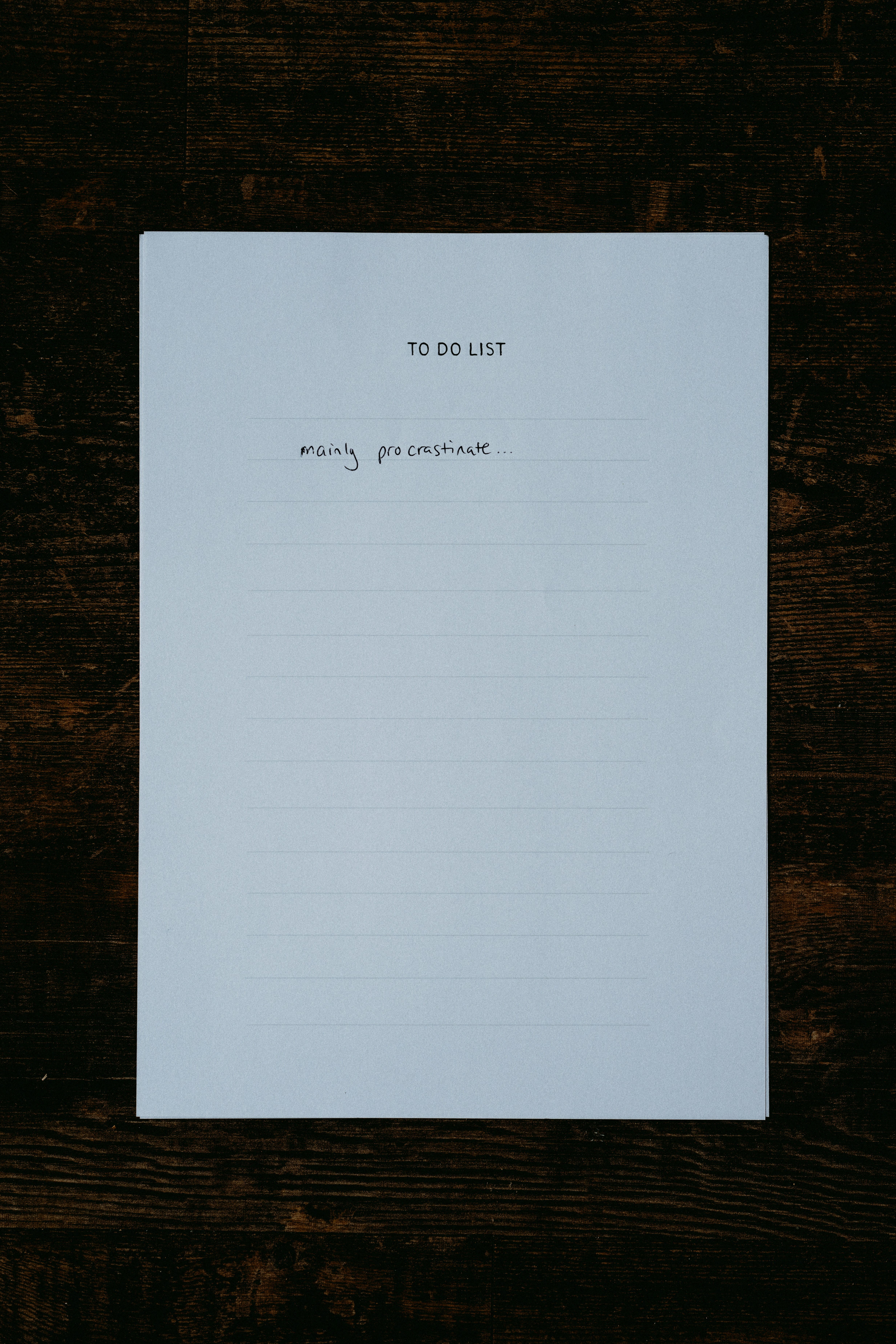
You've got an exam in two weeks. You open your laptop, tell yourself today's the day — and somehow end up watching a three-hour documentary about deep-sea fish. Sound familiar? Procrastination affects nearly every student at some point, and the longer you put off starting, the harder it becomes. The good news: with a few science-backed shifts in how you approach study sessions, you can break the cycle and build real momentum that carries you all the way to exam day.
Why your brain resists starting (and it's not laziness)
Procrastination is actually an emotional regulation problem, not a time management one. When a task feels overwhelming, boring, or uncertain, your brain registers it as a mild threat and nudges you toward something that feels better right now — your phone, a snack, anything else. This is completely normal, and understanding it changes how you fight back. You're not fighting laziness; you're overriding a deeply wired avoidance reflex.
Research from psychologist Fuschia Sirois and others consistently shows that procrastinators aren't bad at managing time — they're struggling to manage negative emotions tied to a task. The fix, then, isn't to shame yourself into action. It's to make starting feel less threatening so your brain stops hitting the brakes before you've even opened a textbook.
The two-minute rule: shrink the task until it's impossible to say no
One of the most effective ways to outsmart your avoidance reflex is to make the starting point so small it feels almost silly to skip. Tell yourself you'll study for just two minutes — open your notes, read one page, write one definition. That's it. What happens most of the time? You keep going. Getting started is almost always the hardest part, and this trick exploits a psychological phenomenon called the Zeigarnik effect: once you begin a task, your brain actually wants to finish it.
Pair this with removing friction from your environment. Charge your laptop the night before. Put your notes somewhere visible. Block distracting apps with tools like Cold Turkey or Freedom. The less effort it takes to begin, the less your brain can justify avoiding it. You're not relying on willpower — you're engineering the path of least resistance toward the thing you actually want to do.
Time-blocking beats to-do lists every time
Most students write a vague to-do list — "study biology," "review lecture notes" — and then feel overwhelmed when they sit down because there's no structure to guide them. Time-blocking is a far more effective alternative. Instead of listing tasks, you schedule them: "9–10am: review Chapter 4 cell biology, 10–10:15am: break, 10:15–11:15am: practice questions." Your day has shape, your brain knows what's coming next, and there's no decision fatigue about what to do when you sit down.
Keep your blocks realistic — 45 to 90 minutes of focused work followed by a proper break is the sweet spot for most people. The Pomodoro Technique (25 minutes on, 5 minutes off) works well if you're just getting started. The key is committing to the schedule the night before so you're not negotiating with yourself in the morning when motivation is low. Treat your study blocks like lectures you can't skip.
How knowing exactly what to study eliminates the biggest cause of delay
Here's a procrastination trigger most students overlook: not knowing where to start. Sitting down to "study for finals" is paralyzing because the task is massive and shapeless. But sitting down to review five specific flashcards on the Krebs cycle? That's doable. One of the most underrated anti-procrastination tools is having a clear, specific daily study plan — knowing not just that you need to study, but exactly what to tackle today.
This is where Noras genuinely helps. Instead of staring at a syllabus wondering what to prioritise, Noras uses spaced repetition and active recall to build you a personalised daily study plan — telling you precisely which topics to review and when, based on what you actually know and what's most at risk of being forgotten. When you sit down and already know your task, the barrier to starting drops dramatically. It's the difference between "I need to study everything" and "today I review these six concepts" — and that clarity makes all the difference.
Key takeaways
Procrastination is an emotional avoidance response, not a laziness problem — understanding this helps you tackle it more effectively.
Use the two-minute rule to make starting so easy your brain can't justify putting it off any longer.
Time-blocking gives your study sessions structure and removes the decision fatigue that fuels delay.
Knowing exactly what to study each day is one of the most powerful ways to eliminate the hesitation that leads to procrastination.