How AI Can Help You Prepare Smarter for Exams
Studying harder isn't the answer — studying smarter is. Here's how AI is quietly becoming the most effective study partner university students have ever had.

Diana Falls
Private Teacher
Insight

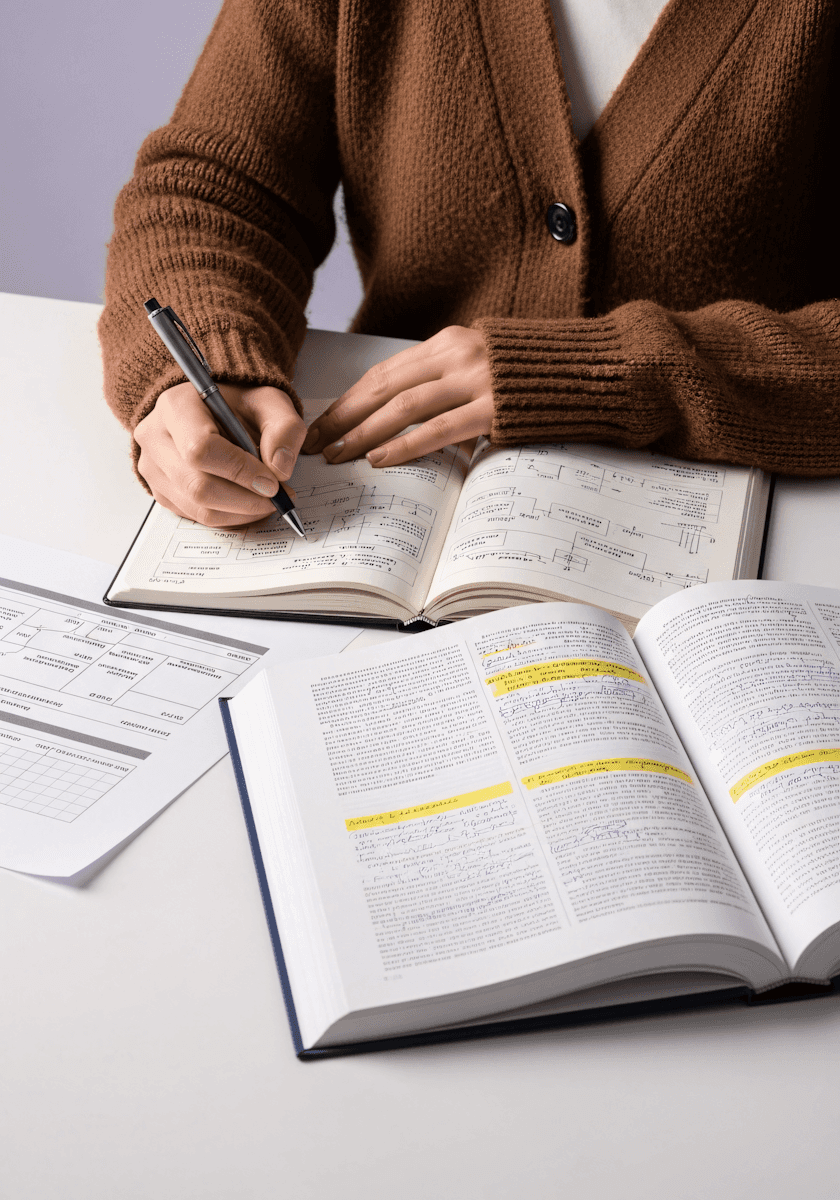
Exam season has a way of turning even the most organized students into anxious all-nighters, buried under highlighters and half-read textbooks. The problem usually isn't motivation — it's method. Most students rely on re-reading notes or cramming the night before, techniques that feel productive but are actually among the least effective ways to retain information. AI-powered study tools are changing that equation, helping students figure out not just what to study, but when and how to study it for maximum impact.
The real problem with traditional exam prep
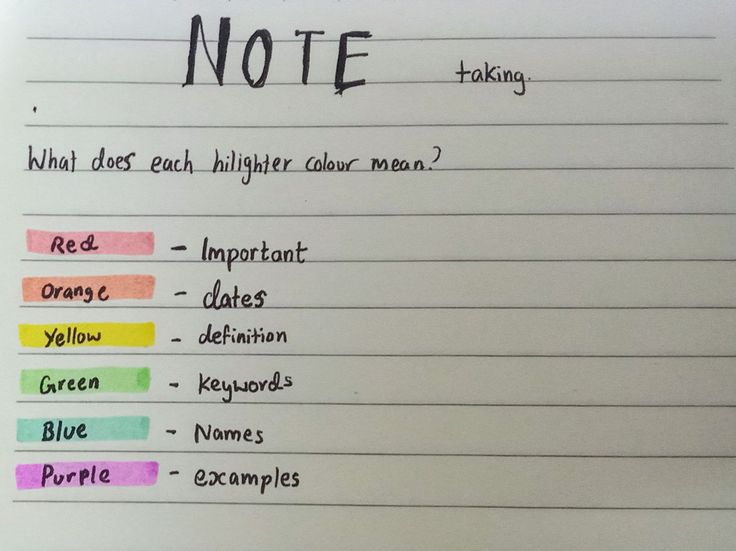
Most students approach exams the same way their parents did: read the chapter, highlight important bits, re-read the highlighted bits, hope for the best. It feels like progress because you're busy. But cognitive science has shown for decades that passive re-reading barely moves the needle on long-term retention. Your brain isn't a filing cabinet that fills up as you read — it learns by being challenged to retrieve information, not just receive it.
Add to that the sheer volume of material in a university course and the fact that most students have four or five subjects competing for their attention at once, and you get the classic exam-week panic spiral. The real issue isn't that students are lazy; it's that they lack a clear, prioritized plan. That's exactly the gap AI is built to fill.
How AI personalizes your study schedule
One of the most powerful things AI can do for your exam prep is build a study schedule that actually reflects your reality — your deadlines, your current knowledge gaps, and how your memory works over time. Rather than giving you a generic timetable, AI tools analyze what you know, what you're likely to forget, and when you need to review specific topics to lock them into long-term memory. This is the backbone of spaced repetition, a learning technique backed by over a century of research.
Spaced repetition works by scheduling reviews of material at increasing intervals — just before you'd naturally forget it. It sounds simple, but the calculations behind an optimal spaced repetition schedule are genuinely complex, especially when you're juggling multiple subjects. AI handles that complexity instantly, so instead of guessing what to review on Tuesday morning, you just open your app and it tells you exactly what needs your attention today. That clarity alone can dramatically reduce pre-exam anxiety.
Active recall: the study technique AI makes effortless
If spaced repetition tells you when to study, active recall tells you how. Instead of reading your notes passively, active recall means closing the book and forcing yourself to retrieve information from memory — through practice questions, flashcards, or simply trying to explain a concept out loud without looking at your notes. Study after study confirms it's one of the most effective learning strategies available, yet it requires more mental effort than re-reading, which is why most students avoid it.
AI makes active recall much easier to actually do. It can generate practice questions from your own notes, quiz you on the concepts you find hardest, and adapt the difficulty based on how well you're performing. The result is a study session that's shorter but significantly more effective than a two-hour passive reading marathon. You're not just covering material — you're genuinely wiring it into your memory.
Putting it all together with a tool like Noras
Understanding the science is one thing; having it work automatically in the background of your study life is another. That's where an AI study companion like Noras comes in. Noras combines spaced repetition and active recall into a single daily workflow, telling you precisely what to study each day so you never have to open your planner and wonder where to begin. It learns from your responses, identifies the topics you're shakiest on, and adjusts your schedule in real time so your weakest areas always get the attention they need before exam day.
The biggest shift students notice when they start using Noras is the move from reactive studying — cramming because the exam is tomorrow — to proactive studying where the material genuinely sticks over weeks. You stop dreading revision because it happens in manageable, purposeful daily sessions rather than overwhelming weekend marathons. And when exam day comes, instead of hoping you covered everything, you know you did.
Key takeaways
Re-reading and highlighting are low-retention strategies — active recall and spaced repetition are far more effective and backed by decades of research.
AI can build a personalized study schedule that accounts for your deadlines, memory curve, and knowledge gaps across all your subjects at once.
Active recall — retrieving information from memory rather than passively reviewing it — is one of the strongest learning techniques available, and AI makes it easy to practice daily.
Consistent, AI-guided daily study sessions beat last-minute cramming every time, both for your exam scores and your stress levels.