The Science Behind Spaced Repetition (And Why Every Student Should Use It)
Your brain isn't a hard drive — you can't just dump information in and expect it to stay. But once you understand how memory actually works, you can study in a way that makes forgetting almost impossible.

Diana Falls
Private Teacher
Management
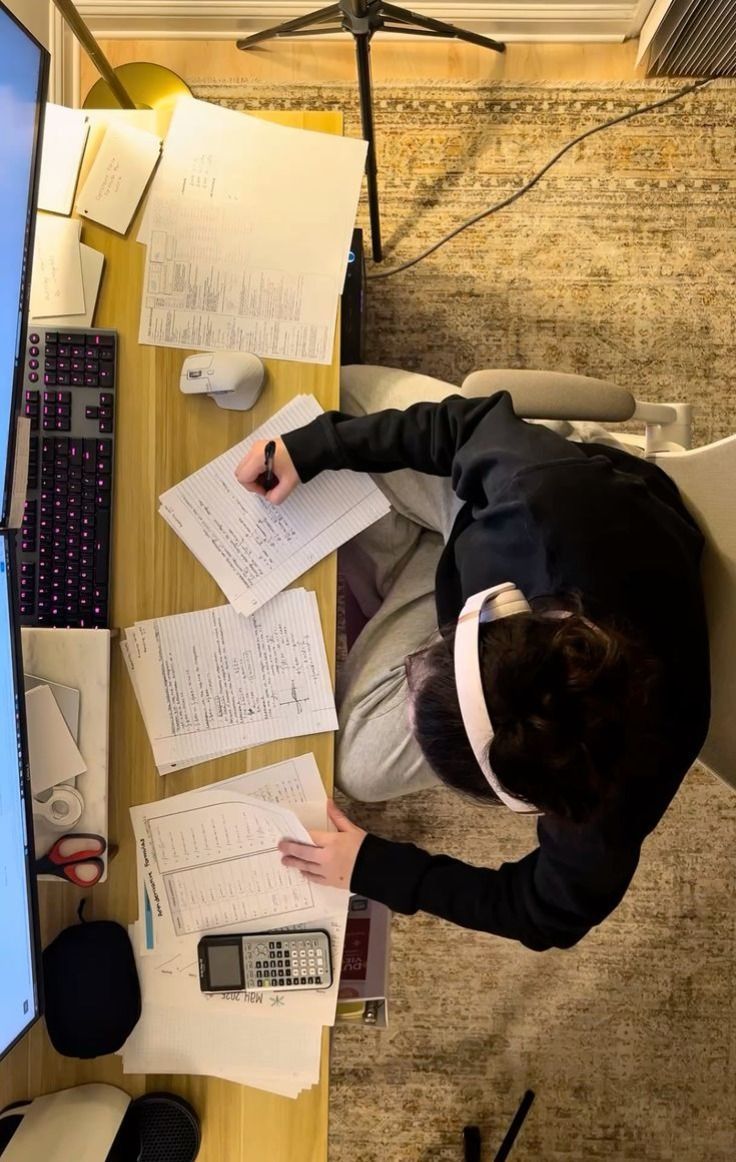
Most students spend the night before an exam re-reading their notes until their eyes blur. Sound familiar? The problem isn't effort — it's strategy. Decades of cognitive science research point to a single technique that beats cramming in almost every measurable way: spaced repetition. Here's what it is, why it works, and how you can start using it before your next exam.
The Forgetting Curve: Why Cramming Lets You Down
Back in the 1880s, German psychologist Hermann Ebbinghaus spent years memorizing nonsense syllables and testing himself at different intervals. What he discovered became one of psychology's most replicated findings: the forgetting curve. Without any review, you'll forget roughly half of what you learned within a day, and up to 80% within a week. That's not a personal failing — it's just how human memory works by default.
Cramming exploits a short-term spike in recall. Your brain holds the information just long enough to get through an exam, then discards it because it never registered the material as worth keeping long-term. If you've ever blanked on something two weeks after an exam that you were sure you knew cold, you've felt the forgetting curve firsthand. The good news is that the same research that revealed this problem also pointed directly to the solution.
What Spaced Repetition Actually Does to Your Brain
Spaced repetition works by fighting the forgetting curve at its own game. Instead of reviewing material once in a big block, you revisit it at carefully timed intervals — just as you're about to forget it. Each time you successfully recall something right at that forgetting threshold, your brain interprets the effort as a signal: this information matters, store it more durably. Neuroscientists call this process memory consolidation, and it's powered by the strengthening of synaptic connections in the hippocampus.
The intervals aren't random. Research by psychologists like Piotr Wozniak — who developed the SM-2 algorithm that powers most modern spaced repetition tools — showed that optimal review gaps roughly double each time you successfully recall an item. So you might review a new concept after one day, then three days, then a week, then three weeks. The result is that with a fraction of the total study time, you end up with dramatically stronger long-term retention. One landmark study found that spaced practice produced retention rates up to 200% higher than massed practice (cramming) over the same time period.
Active Recall: The Partner That Makes It Even More Powerful
Spaced repetition is most effective when it's paired with active recall — the practice of retrieving information from memory rather than passively re-reading it. Highlighting your notes feels productive, but your brain barely has to work. When you close the book and force yourself to answer a question from scratch, you're doing something fundamentally different: you're rebuilding the memory, not just looking at it. This retrieval practice effect has been shown in hundreds of studies to strengthen long-term memory far more than any passive review method.
Together, spaced repetition and active recall form a feedback loop that's hard to beat. The spacing tells you when to study; the active recall tells you how. Every time you struggle to pull an answer from your memory — and then get it right — you're essentially making a deposit into long-term memory storage. Get it wrong, and the system knows to show you that material sooner. Over time, your study sessions become shorter and more precise because you're only spending time on what you actually need to review.
How Noras Puts This Into Practice for You
Understanding the science is one thing — implementing it consistently across five courses while managing lectures, assignments, and a social life is another. This is where Noras comes in. Noras is an AI study companion that uses spaced repetition and active recall to build you a personalised daily study plan, telling you exactly what to review each day so you never have to guess. Instead of sitting down and wondering where to start, you open Noras and it's already figured that out for you, based on when each concept is due for review and how well you've been retaining it.
The goal isn't to make you study more — it's to make the time you do study count for far more. By surfacing the right material at the right moment, Noras keeps you on the right side of the forgetting curve automatically. Students who use systems built on spaced repetition consistently report feeling less anxious before exams, because the knowledge they need is actually there when they reach for it.
Key takeaways
The forgetting curve shows that without review, you lose up to 80% of new information within a week — but strategic re-exposure can stop that decay in its tracks.
Spaced repetition works by scheduling reviews at the moment you're about to forget, prompting your brain to consolidate memories more durably each time.
Active recall — testing yourself rather than re-reading — amplifies the benefits of spaced repetition and is backed by hundreds of peer-reviewed studies.
Automating your spaced repetition schedule removes the guesswork from studying, so you can focus your energy on actually learning rather than planning.